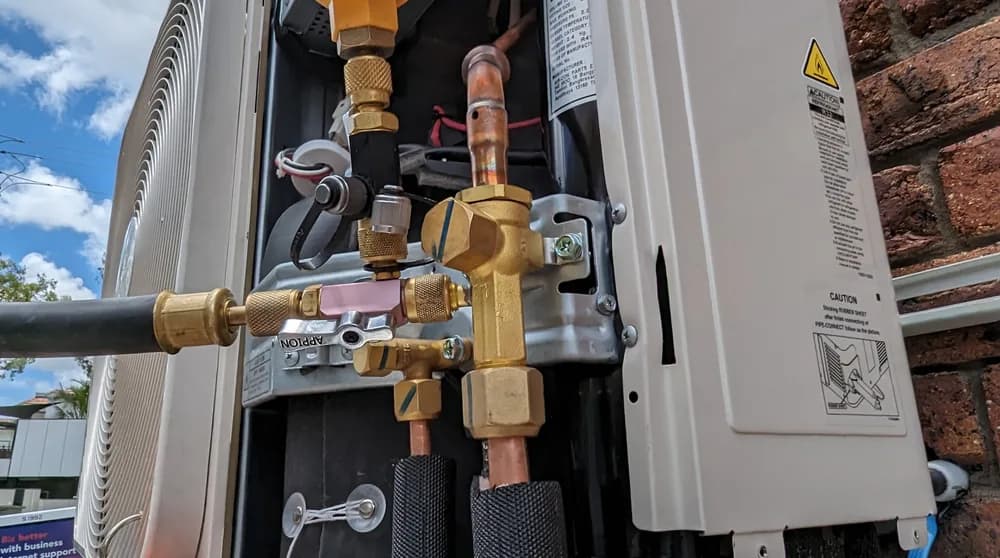
Why it gets recovered, not released
Refrigerants are potent greenhouse gases. Venting them to atmosphere is both an environmental problem and a regulated one — handling refrigerant requires a licence, and that is not a formality.
Recovery means pumping the refrigerant out of the system into a cylinder before anything is disconnected, so it can be reclaimed or destroyed properly rather than escaping.
What R32 changed
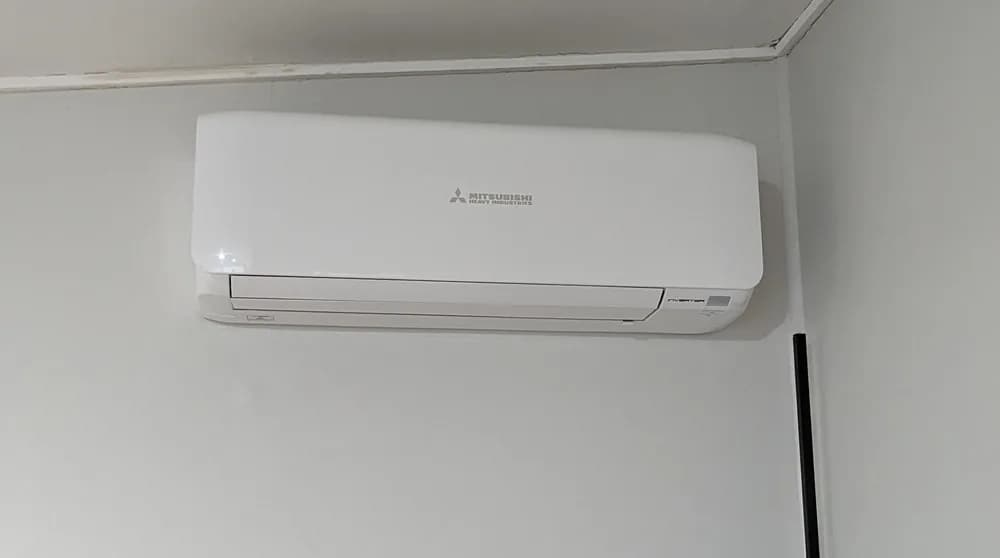
R32 has largely replaced the older R410A in new split systems. It has a considerably lower global warming potential and is more efficient, which is why the industry moved.
It is also mildly flammable, which changes handling requirements and means it is not simply interchangeable with what came before. A system designed for one refrigerant does not get topped up with another.
This is part of why existing pipework cannot always be reused on a replacement — suitability for the new refrigerant is one of the checks.
What decommissioning involves
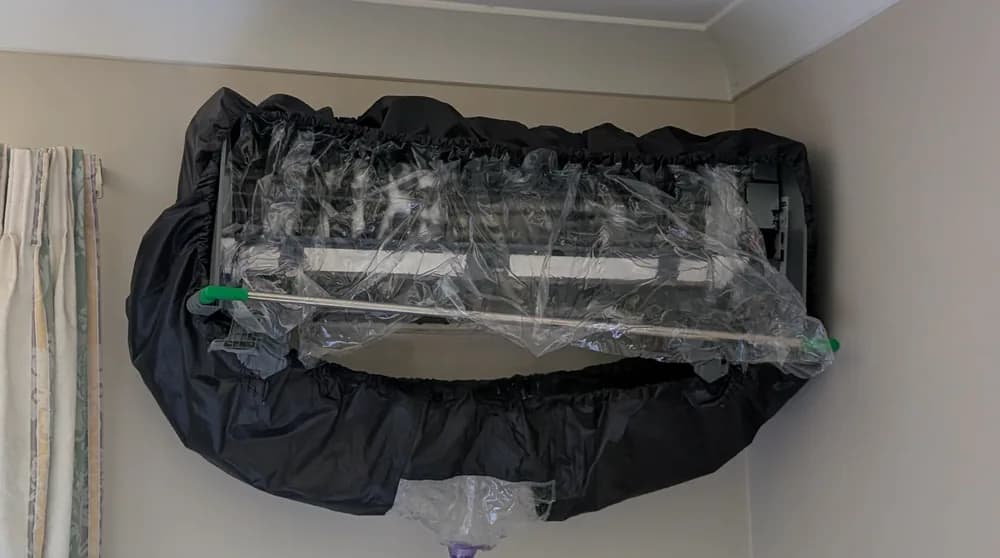
- Refrigerant recovered from the system into a cylinder before disconnection.
- Indoor and outdoor units disconnected, electrically and mechanically.
- Pipework capped or removed depending on whether it is being reused.
- The old equipment removed and disposed of properly.
All of it is included when we replace a system. It is not an optional extra and it is not something to hand to a general handyman.
The licence that covers it
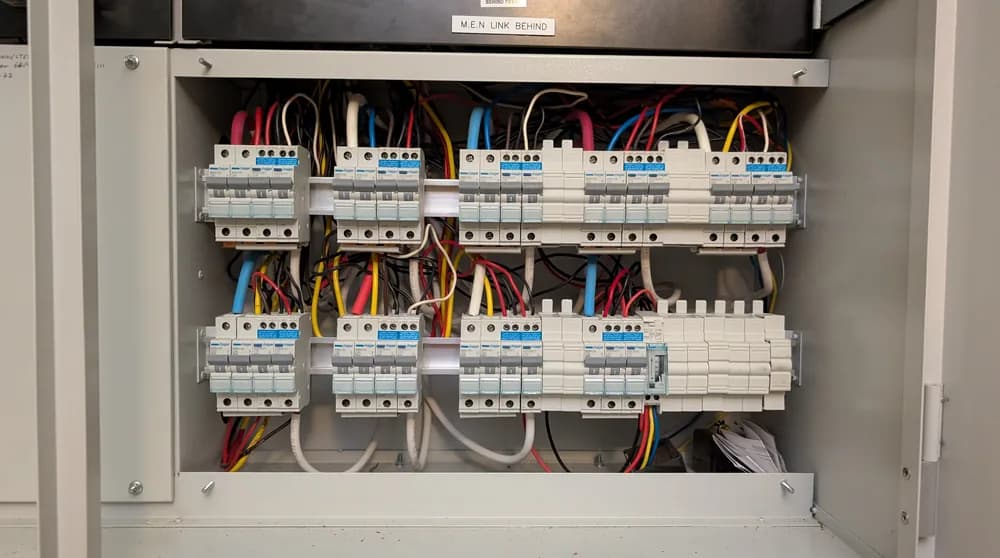
Refrigerant handling requires an ARC refrigerant handling licence, which sits alongside our electrical contractor licence. That combination is what lets us do both the electrical side and the refrigerant side of a split system job.
Ask any installer for both before they touch your system. It is a reasonable question and a real one should not mind being asked.
Done properly
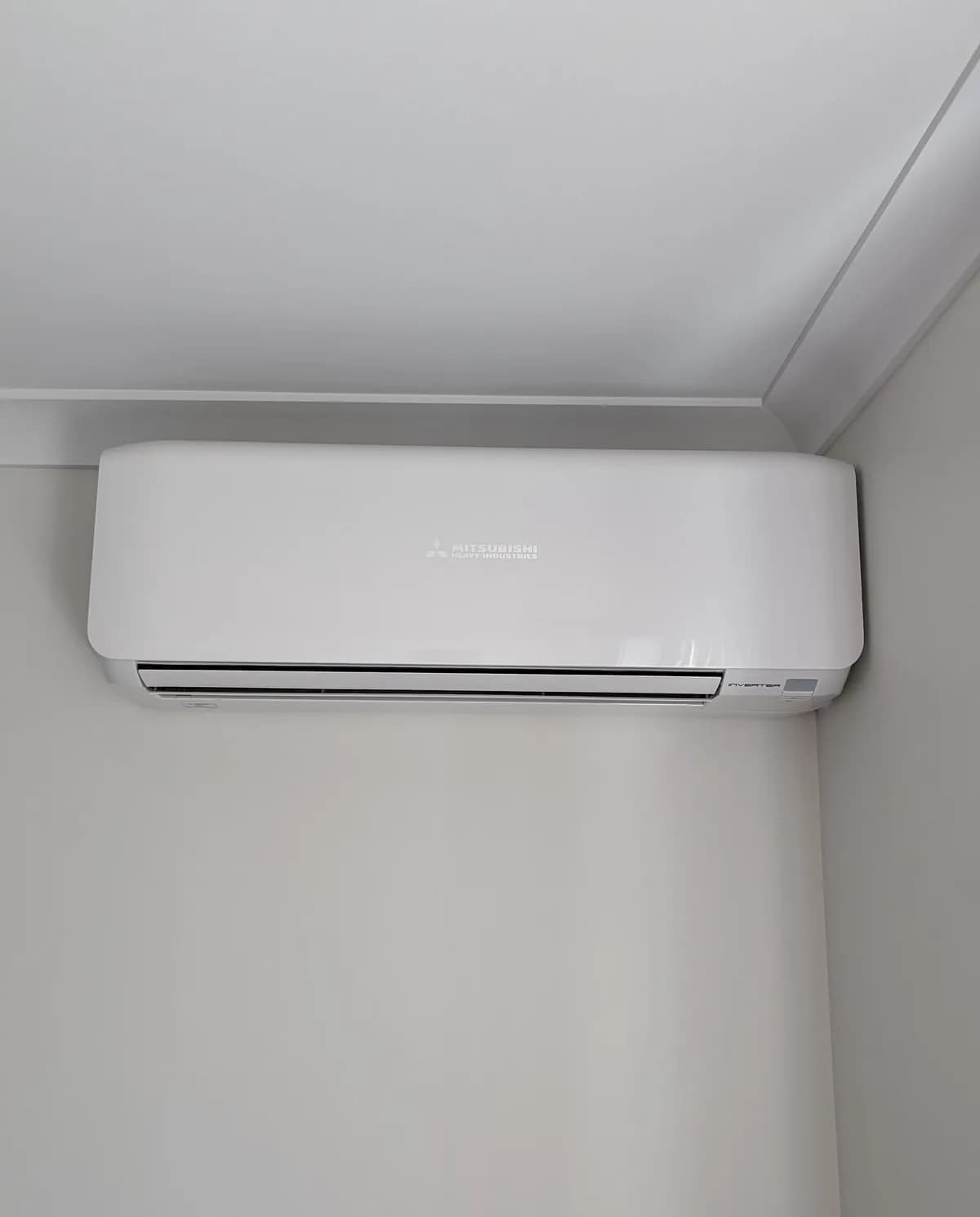
Old system out, new system in.
Licensed split system replacement, decommissioning and disposal across Greater Brisbane.