What you can see
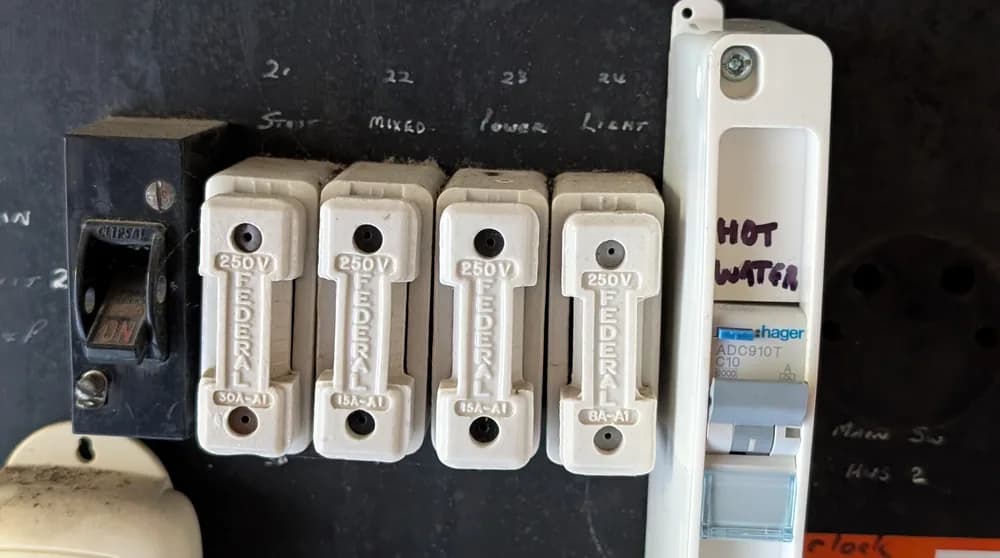
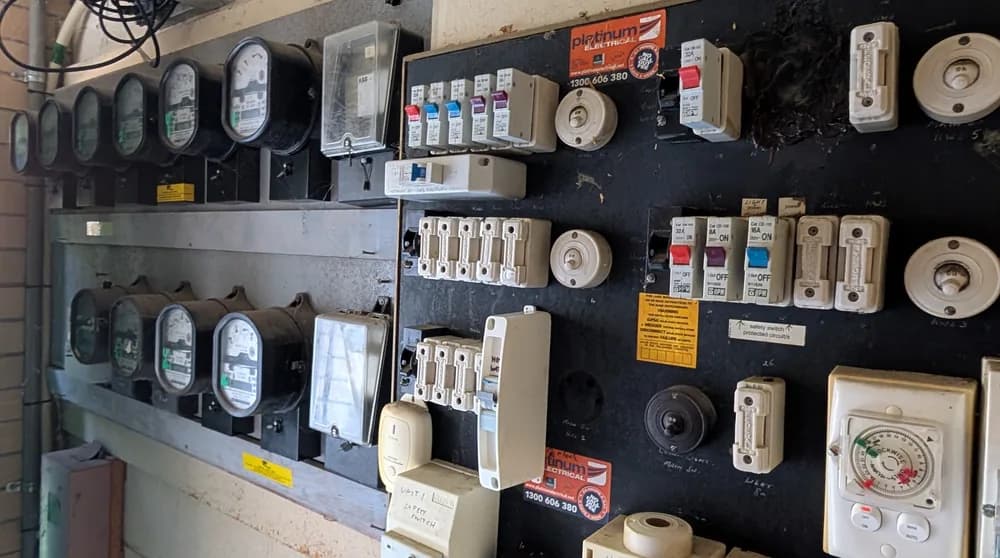
- Ceramic fuses with rewirable fuse wire instead of circuit breakers.
- No safety switches at all, or one covering the whole house rather than several.
- A board with no spare ways left.
- Scorch marks, discolouration, melted plastic or a burning smell.
- A board that buzzes or hums.
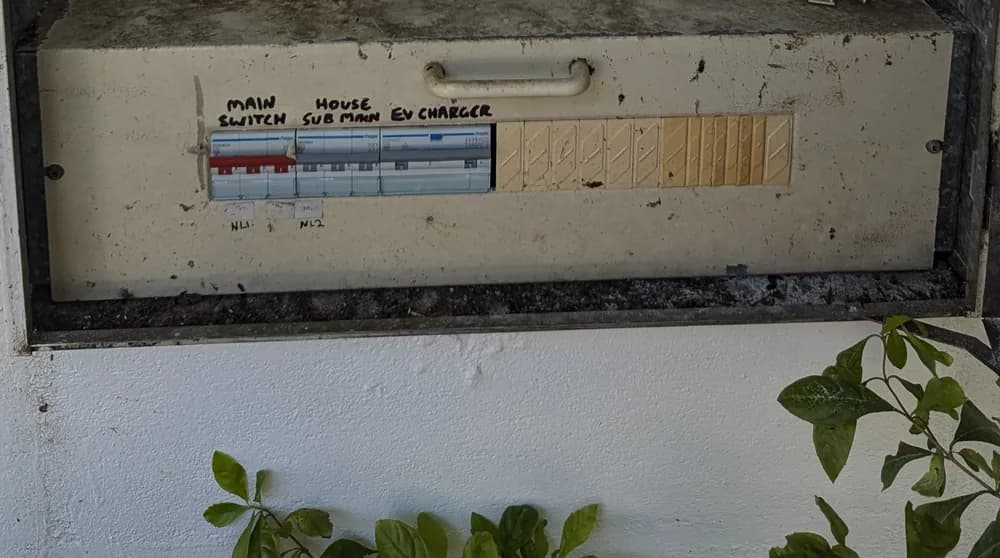
- Rust, moisture, or an enclosure that no longer closes properly.
Look, do not touch. Anything past the cover is licensed work, and a board showing heat damage is not one to poke at.
What the house tells you
Behaviour matters as much as appearance. Circuits that trip when two appliances run together, lights that dim when the air conditioner starts, or power points that have stopped working with no obvious cause are all worth taking seriously.
Nuisance tripping in particular gets normalised in a lot of households — people learn not to run the kettle and the toaster at once. That is a board telling you it is out of capacity.
Why the board is usually first
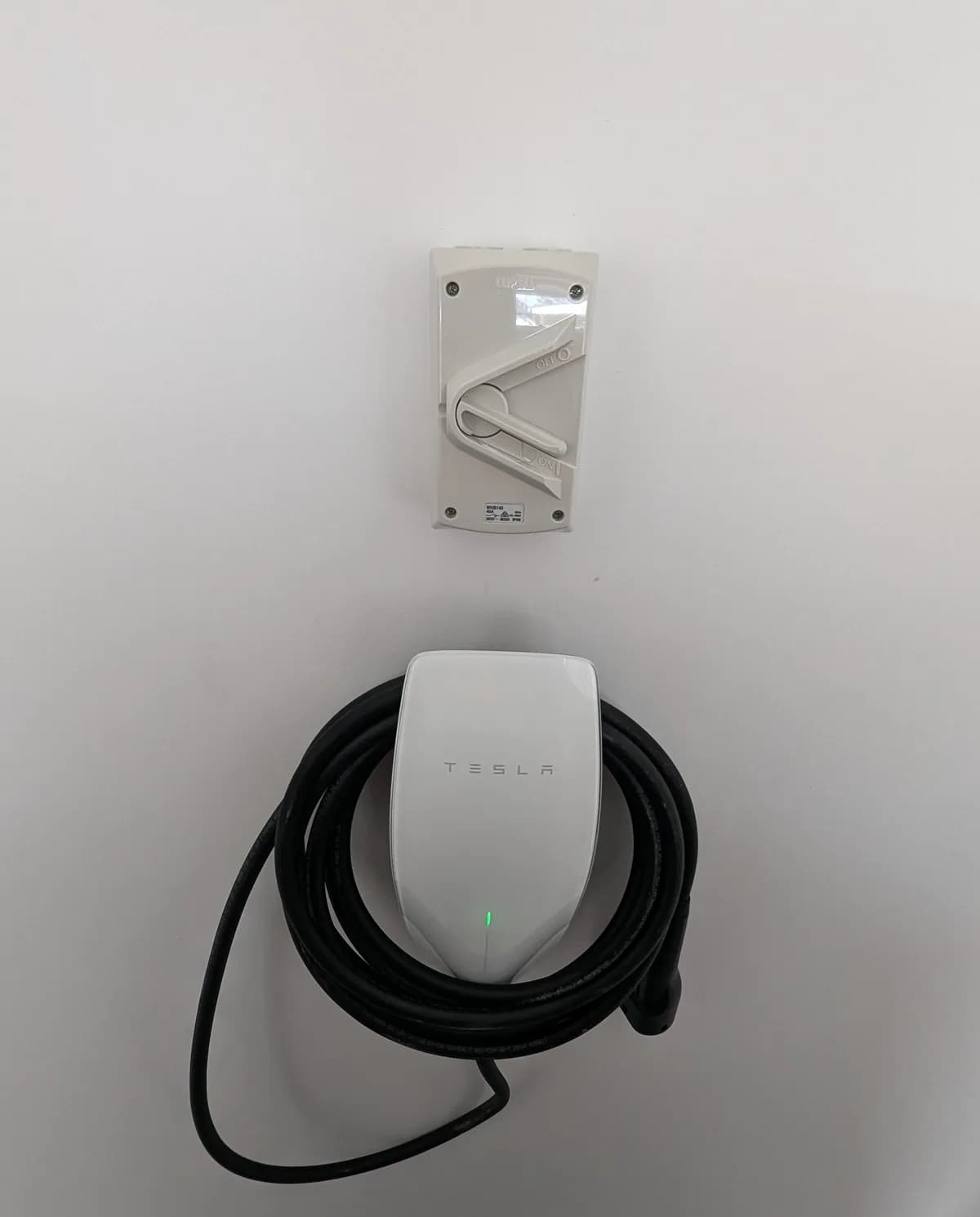
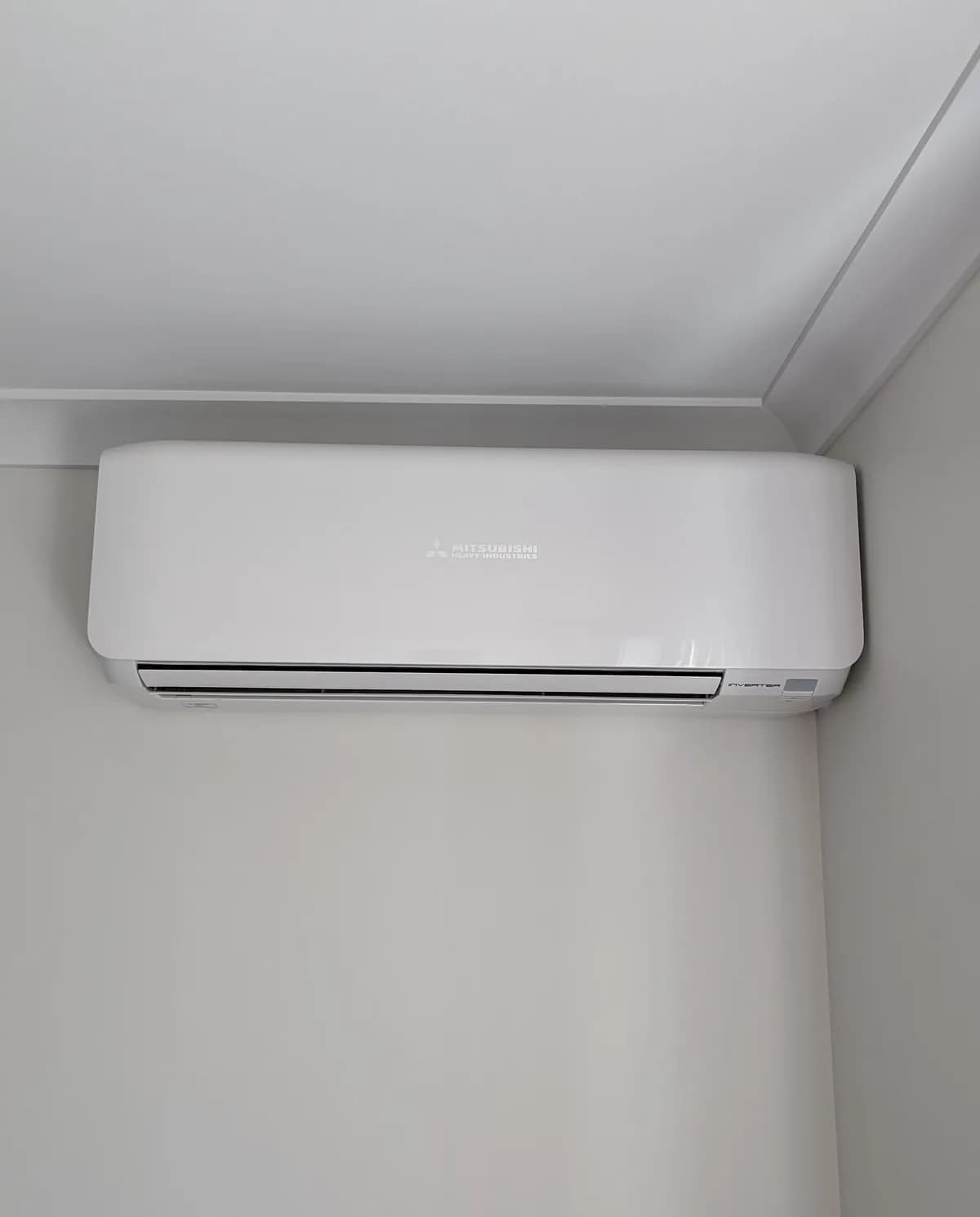
Older boards were built for a house with far less plugged into it. Add an air conditioner, an induction cooktop or an EV charger and the board becomes the part that has to change before anything else can happen.
That is why it comes up so often as the first job — not because it is the thing you wanted, but because it is the thing the rest depends on.
What an upgrade actually gives you
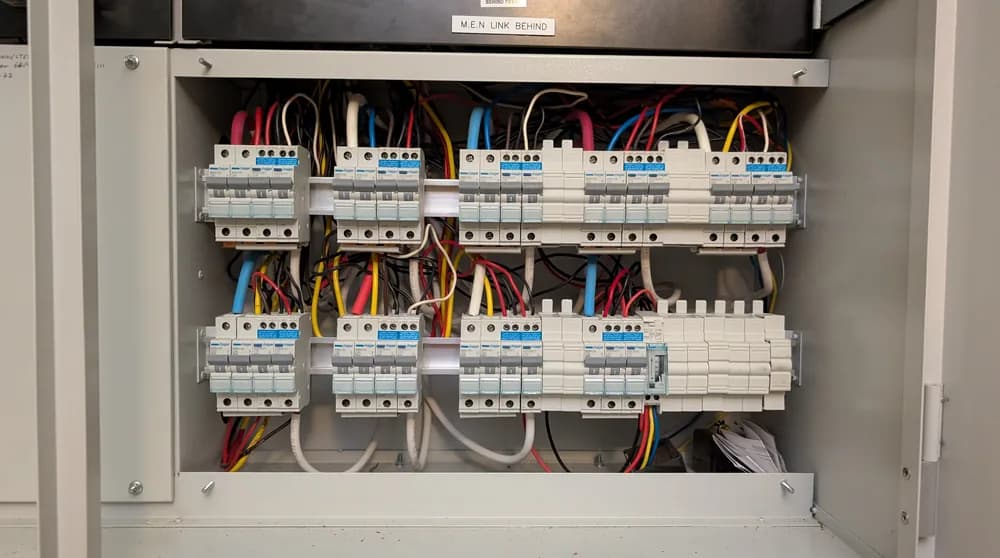
- Modern RCBO protection on individual circuits rather than one shared safety switch.
- Capacity for what the house actually runs today.
- Room for what comes next — air conditioning, cooking, charging.
- Circuits labelled, so the next person can work out what is what.
- Work tested, certified and documented.
Start at the board
Find out what yours is doing.
Switchboard upgrades and RCBO protection across Greater Brisbane, quoted fixed before the work starts.