What interconnection actually does
A standalone alarm protects the room it is in. If a fire starts in the laundry at the far end of the house, the laundry alarm sounds — and you, asleep behind a closed bedroom door at the other end, may not hear it until the smoke reaches you.
Interconnected alarms remove that gap. One detects, all sound. You get the warning at the same moment wherever you are in the house, which is the entire point: the minutes that matter are the early ones.
Wired, wireless, or both
Alarms can be joined by physical cabling, by radio, or by a mix of the two. All three are acceptable as long as the result is that every alarm sounds together.
- Wired — alarms are connected by cable run between them. Clean and permanent, and the obvious choice when ceilings are already open or the house is being rewired.
- Wireless — each alarm pairs with the others by radio. No new cable through finished walls, which in an occupied home usually means far less mess and a shorter job.
- Mixed — some wired, some wireless, bridged together. Common in homes that have been extended.
Wireless does not mean DIY. The alarms still have to be the right type, in the right positions, and mains-powered units are licensed electrical work either way.
What pairing involves
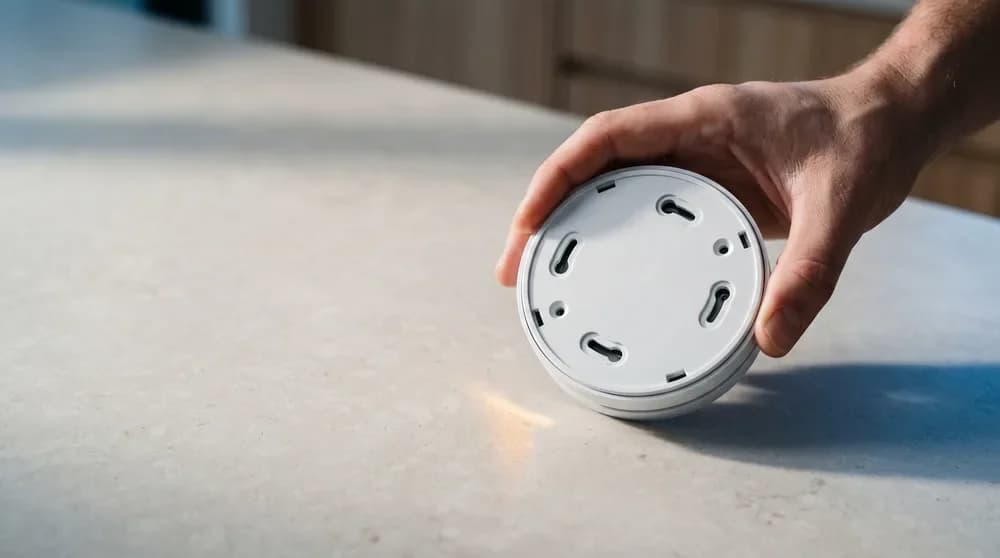
Wireless alarms have to be introduced to each other before they will act as a set. It is a short process done at installation: the alarms are put into a pairing mode and taught to recognise the others in the group.
Alarms from different manufacturers generally will not pair with each other. If you already have wireless alarms and want to add more, they usually need to be the same family — one reason it is worth doing the whole house in one go rather than a room at a time.
How you know it worked
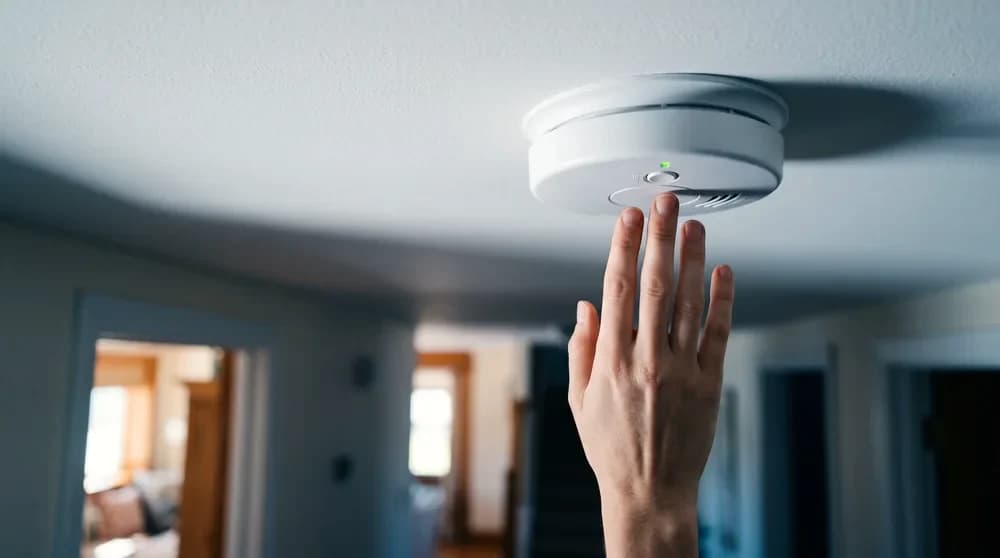
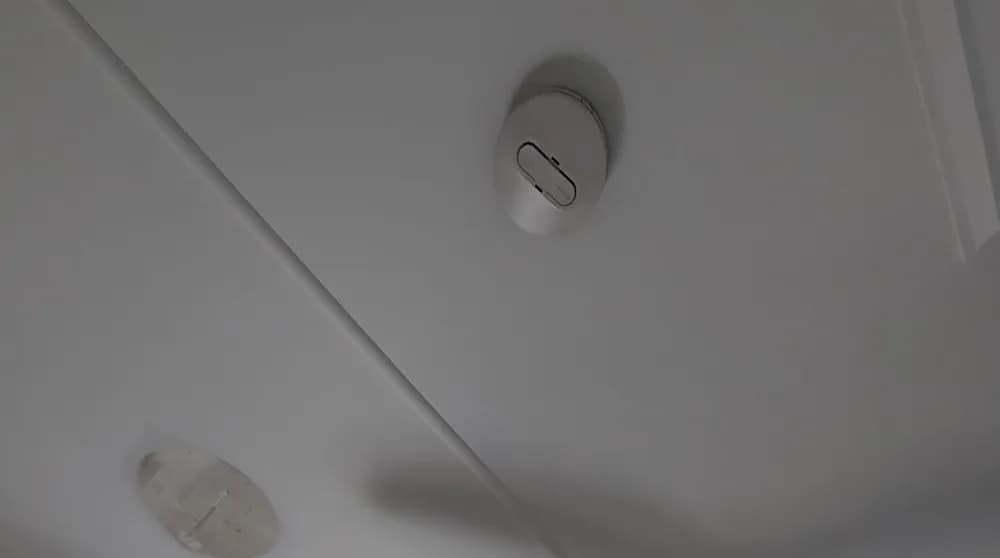
Press the test button on one alarm. Every other alarm in the house should sound within a few seconds. If they do not, they are not interconnected, whatever the packaging said.
That test is also the one worth repeating yourself every few months — it is the only way to confirm the link is still live.
Before the deadline
Get the whole house talking to itself.
We install, pair, test and certify interconnected photoelectric alarms across Greater Brisbane.