Sealed 10-year lithium
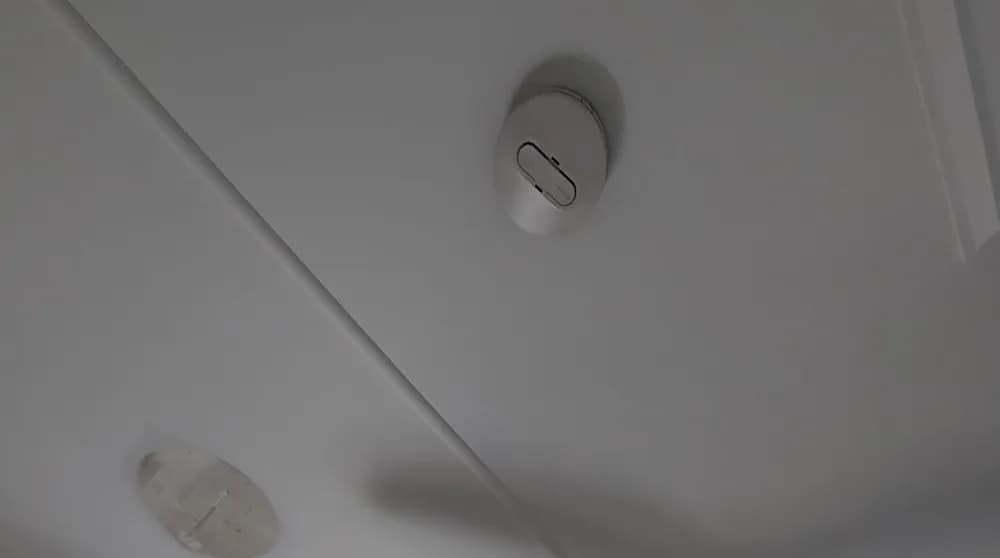
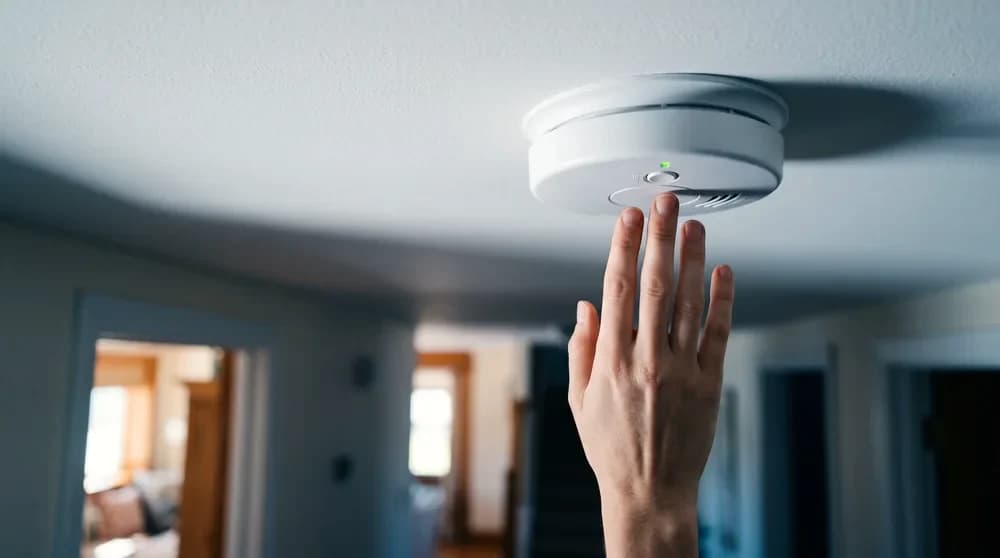
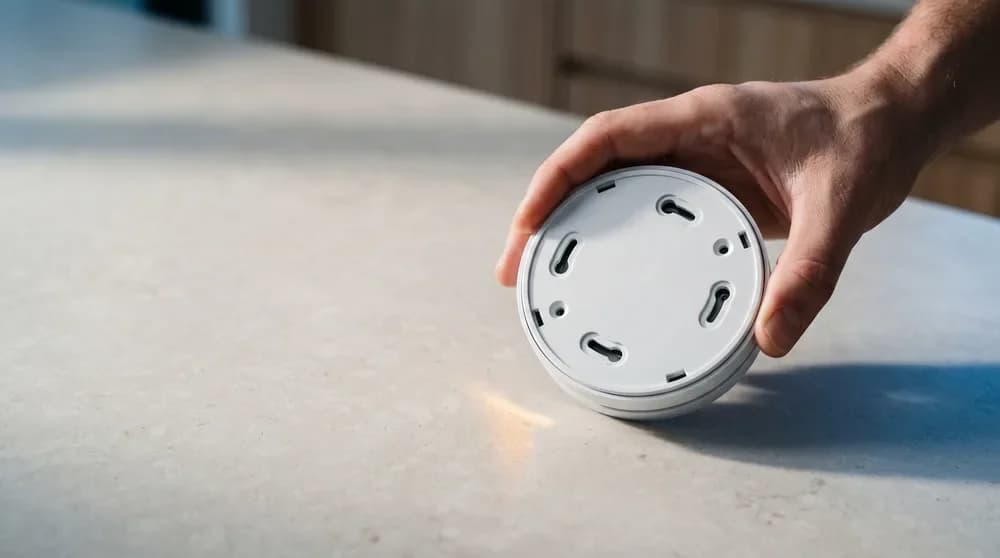
The battery is built in and cannot be removed. It is rated to last the working life of the alarm, which is ten years, at which point the whole unit is replaced rather than the battery.
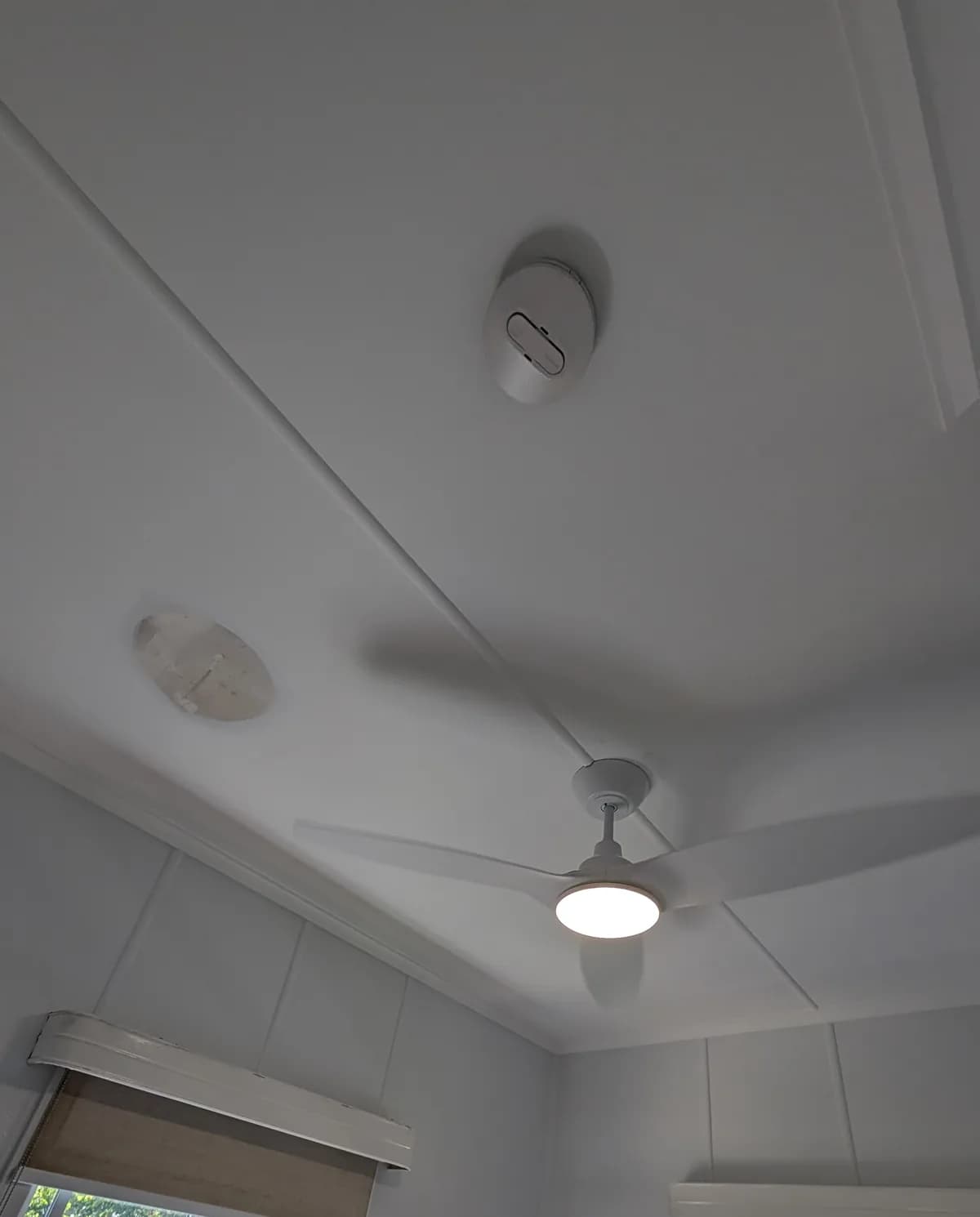
In an existing home this is usually the practical answer. There is no cable to pull through finished ceilings, the alarms can be positioned where the rules require rather than where the wiring happens to reach, and the install is a fraction of the disruption.
- No new cabling through finished walls or ceilings.
- No battery to replace, and nothing to chirp at 3am.
- Positioned by the requirements, not by where cable can reach.
- Replaced as a unit at ten years.
Hardwired
Mains powered, with a backup battery. The obvious choice when the cabling already exists, when ceilings are open for other work, or when the house is being rewired anyway — at that point the extra cost of doing it properly is small.
Retrofitting hardwired alarms into a finished home is a different proposition. It means cable runs above ceilings, access through the roof space, and patching where access is not possible.
What we fit, and what we do not
We install premium sealed 10-year lithium alarms as standard, and hardwired alarms where the house calls for them.
We do not install the cheap units that take a replaceable battery every year. They are the ones that start chirping in the middle of the night, get the battery pulled out, and never get one put back — which is how homes with alarms in every room end up with no working protection at all.
Whichever type goes in, they still have to be photoelectric, compliant with AS 3786-2014, and interconnected with each other.
Choosing between them
- Existing home, ceilings finished, nothing else happening — sealed lithium, almost always.
- House being rewired or ceilings already open — hardwired, while the access is there.
- Some hardwired alarms already in place — often a mix, bridged together.
- New build or substantial renovation — hardwired, as part of the electrical work.
We work it out on site rather than over the phone, because the answer depends on what is in your ceiling.
Ahead of 2027
One visit, the whole house done.
Premium sealed lithium or hardwired, installed, interconnected, tested and certified across Greater Brisbane.