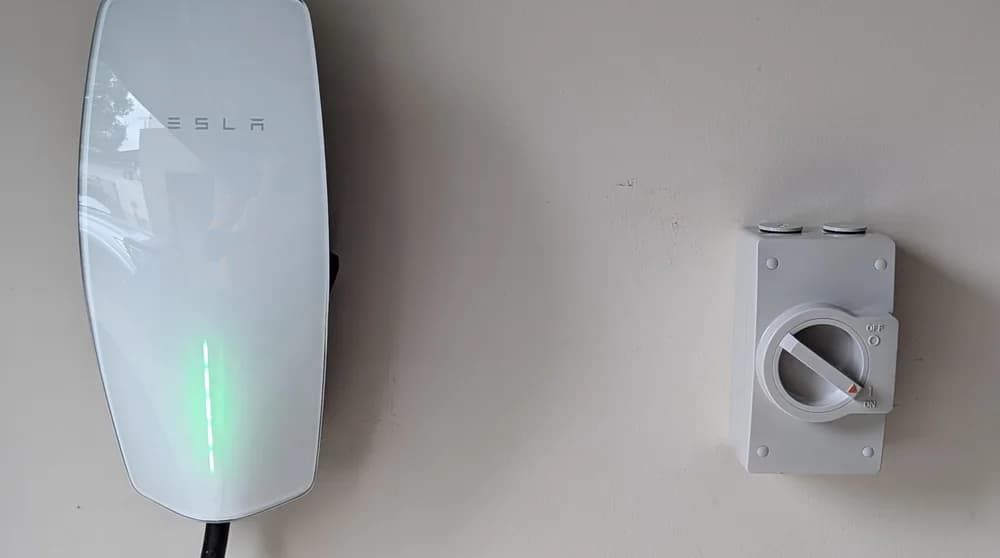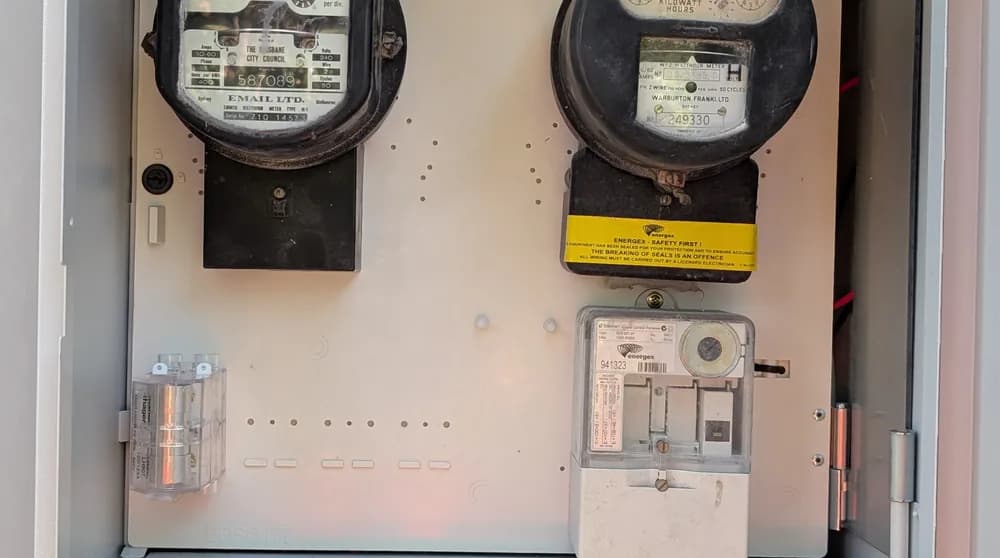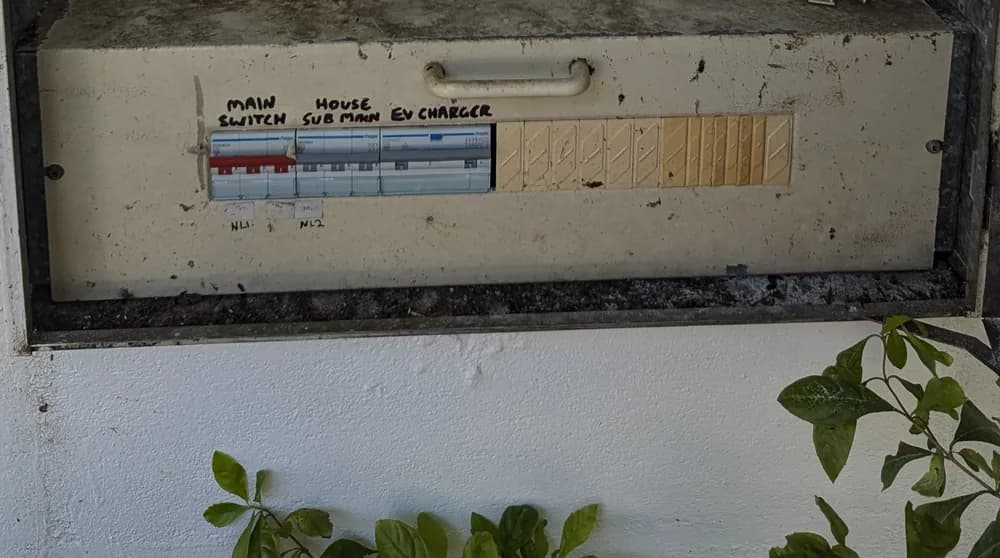
What QECM Version 4 is
The Queensland Electricity Connection Manual — QECM — is the document Energex and Ergon use to decide what may be connected to their network and on what terms. Version 4 took effect on 21 February 2024 and is the current rulebook for home EV chargers.
It matters to you for one reason: it sets the point at which a charger stops being an ordinary appliance on a dedicated circuit and starts being something the network wants a say in. That point arrives sooner than most people expect.
If your house is single-phase
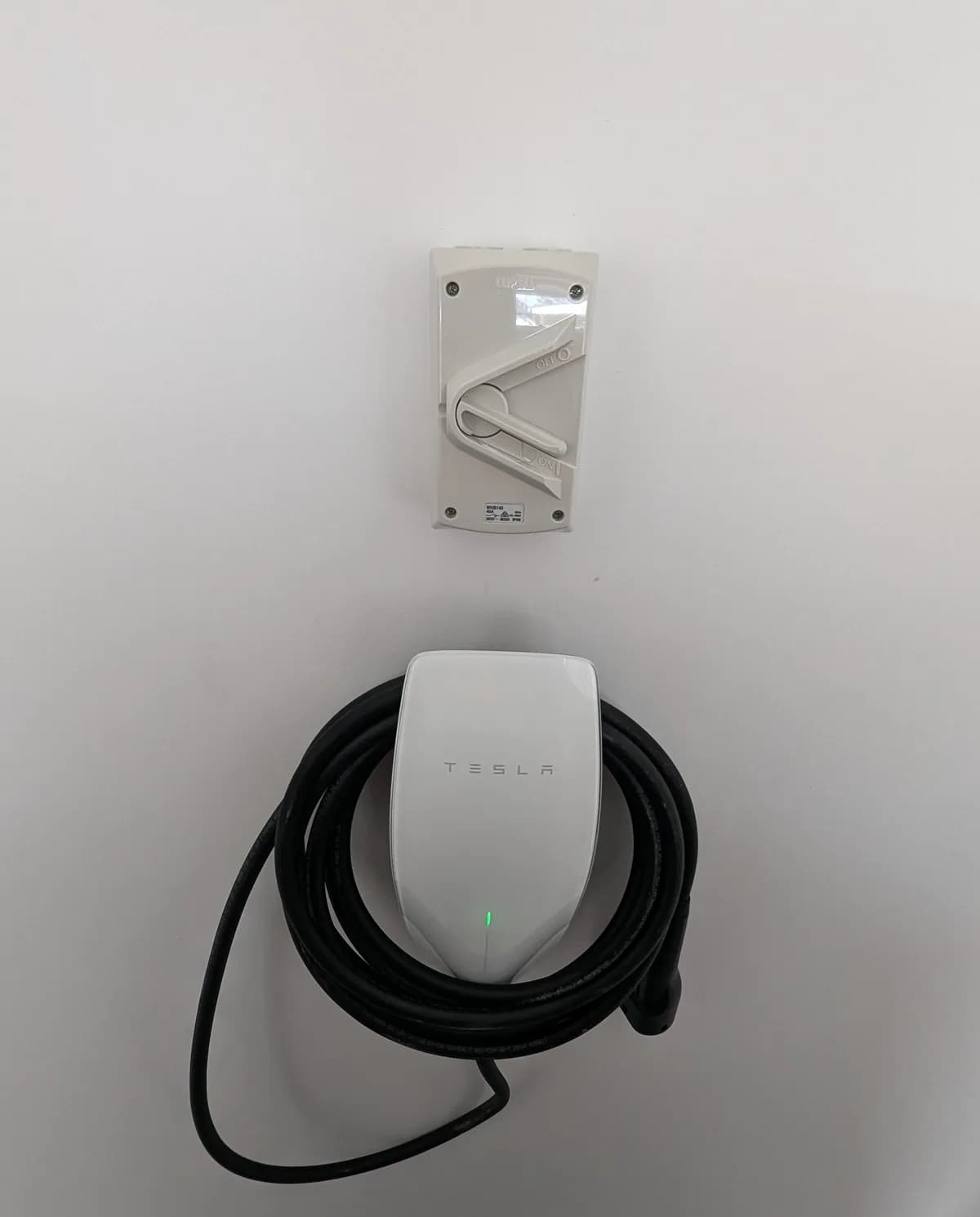
Most Brisbane homes are single-phase with a supply of 100A or less. On that supply, a dedicated EV charger rated above 20A needs Active Device Management — a way for the network to see or limit what the charger is drawing, so a street full of cars charging at once does not overwhelm the local supply.
At or below 20A, none of that applies. A 20A dedicated circuit is an ordinary connection, and it still adds a useful amount of range overnight — for most households, considerably more than a day's driving.
This is why the question is almost never “which charger should I buy”. It is what your supply is, and whether you want to charge above 20A badly enough to take on one of the paths below.
If your house is three-phase
Three-phase changes the picture. A dedicated 22kW charger — 32A on each of the three phases — switched across all three can usually be connected without the extra management options a single-phase home would need at the same current.
That is the practical advantage of three-phase for charging, and it is worth knowing before anyone spends money converting a supply. Converting to three-phase is significant work involving new consumer mains, switchboard work and the network. It is a planned job, not an add-on to a charger install.
The official ways to get 32A on single phase
If you are single-phase and you want a full 32A, QECM Version 4 provides three routes. These are the network's options, not ours.
- Economy or load-control tariff, using a network device — the network manages when and how much the charger draws.
- Primary tariff with basic active management via a network device — not available in every suburb, so it has to be checked for your address rather than assumed.
- A dynamic connection, where the charger's draw is adjusted in response to network conditions.
Availability is address-specific. The second option in particular is not offered everywhere, so the honest answer to “can I get 32A?” is that it has to be checked for your place, not answered from a rule of thumb.
How we install for it
This section is what we do, not an Energex option. It is a practical approach to the rules above, and it exists because most people do not want to decide today whether they will ever take on a load-control tariff or a dynamic connection.
- Run upsized cable now — typically 6mm — so the circuit is physically ready for 32A later.
- Fit a 20A RCBO, so the installation is compliant today without any network involvement.
- Set the charge speed in the vehicle or charger app — the Tesla app, for instance — to match the 20A circuit.
- Later, if you add load control, a network device or a dynamic connection, the breaker can be upsized without rerunning the cable.
The point of it is that the expensive, disruptive part — getting cable through walls, ceilings or underground — is done once. Changing a breaker later is a small job by comparison; pulling a new cable to the garage is not.
One thing to understand about the app limit: the 20A RCBO is the real protection, not the app setting. If the app is later set higher than the circuit allows, the breaker will trip — which is it doing its job, not a fault. Tell us if you change cars or chargers and we will check the setting with you.
Charging at home
Get it installed for where you are heading.
EV charger installation across Greater Brisbane, including the switchboard work most homes turn out to need.