What testing covers
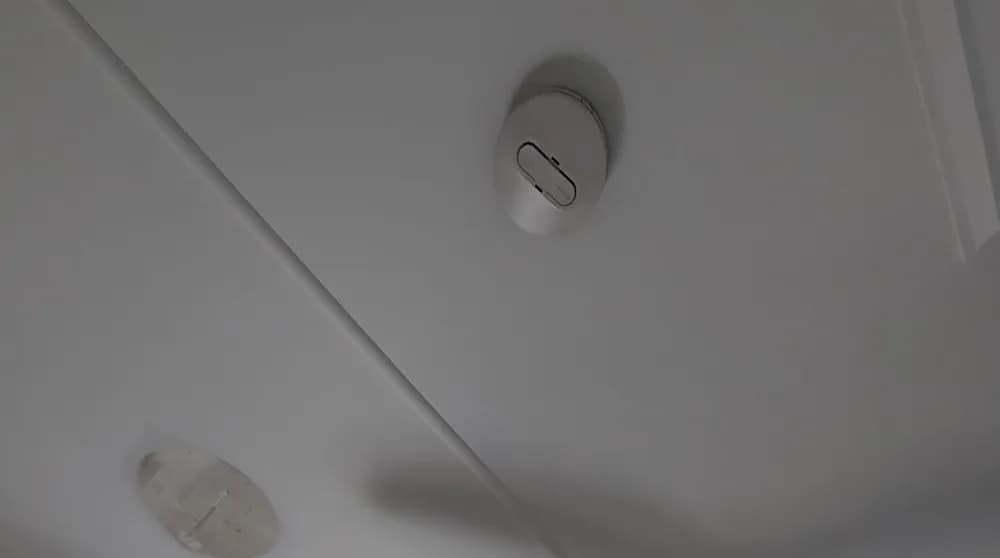
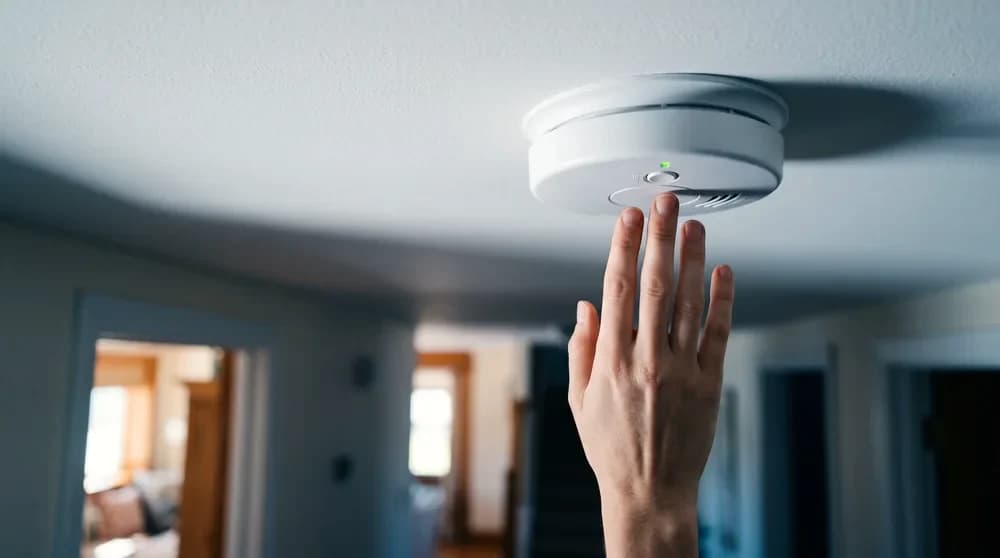
A proper test is more than pressing the button on one alarm. It confirms each alarm powers up, detects, and sounds — and that pressing any one of them sets off all the others, which is the part that proves interconnection is live.
- Each alarm sounds when tested.
- Every other alarm responds, confirming the interconnection.
- Alarms are the right type and within their service life.
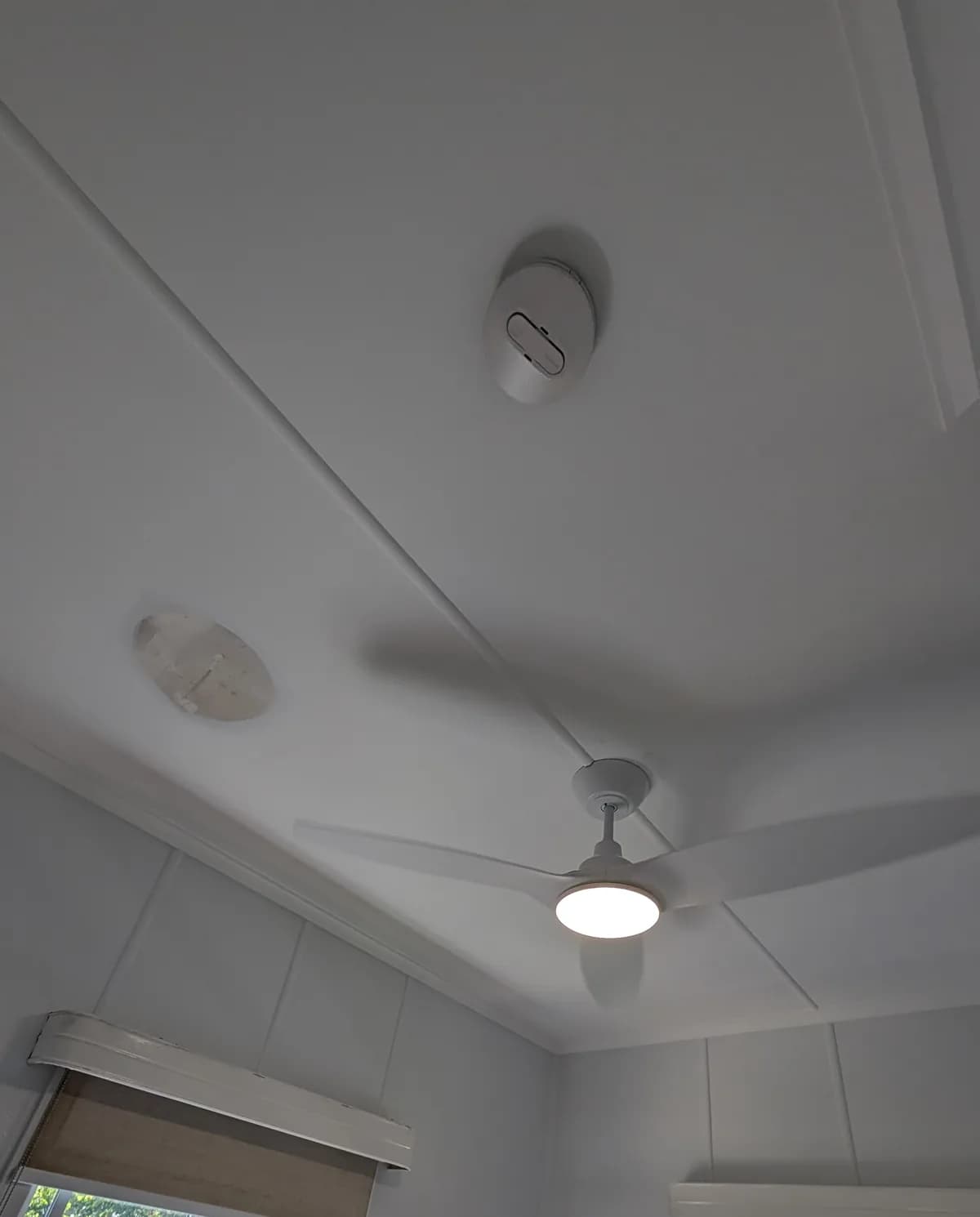
- Positions match what the requirements call for.
What the paperwork records
Electrical work gets tested and certified, and you get the documentation for it. For smoke alarm work that record is what you point at later — for your insurer, at sale, or simply to know when the alarms are due for replacement.
Keep it with the house paperwork rather than in a drawer. The expiry dates on the alarms and the date on the certificate are what tell you when the next round is due.
When testing is worth doing
Between professional visits, press the test button yourself every few months — it takes a minute and it is the only way to know the interconnection is still working.
A professional test makes sense when alarms have just been installed, when you have bought a place and do not know its history, or when you want the position and type checked against the requirements rather than assumed.
We test smoke alarms where you engage us to do it. It is not something that happens automatically as part of another job.
Alarms expire
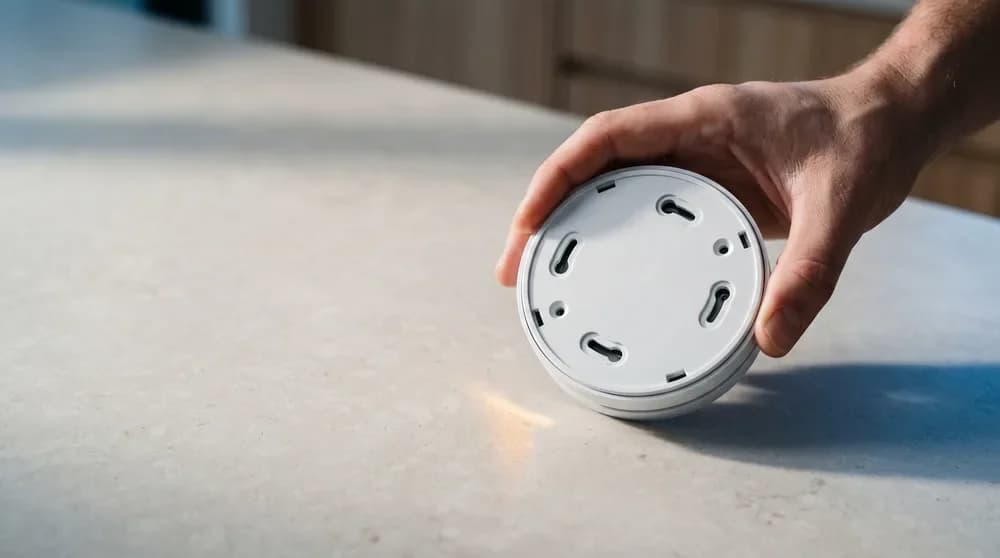
Every smoke alarm has a service life, usually ten years, and the date is printed on the body. An expired alarm can still chirp, still light up and still fail to detect a fire — age is not something you can test for by pressing the button.
If you cannot find a date on your alarms at all, that is itself the answer: they predate the current standard and need replacing.
Book it in
Have the alarms tested properly.
Testing, certification and replacement across Greater Brisbane, with a fixed price before the work starts.