The rules
Queensland smoke alarm laws in plain English
Deadline
All existing private homes, townhouses, units and manufactured homes need interconnected photoelectric smoke alarms by 1 January 2027. Homes being sold or leased already need them (since 1 January 2022), as do new builds and substantial renovations (since 1 January 2017).
What a compliant alarm is
- Photoelectric and compliant with AS 3786-2014.
- No ionisation sensor.
- Less than 10 years past its manufacture date.
- Works when tested.
- Interconnected with every other required alarm so they all go off together.
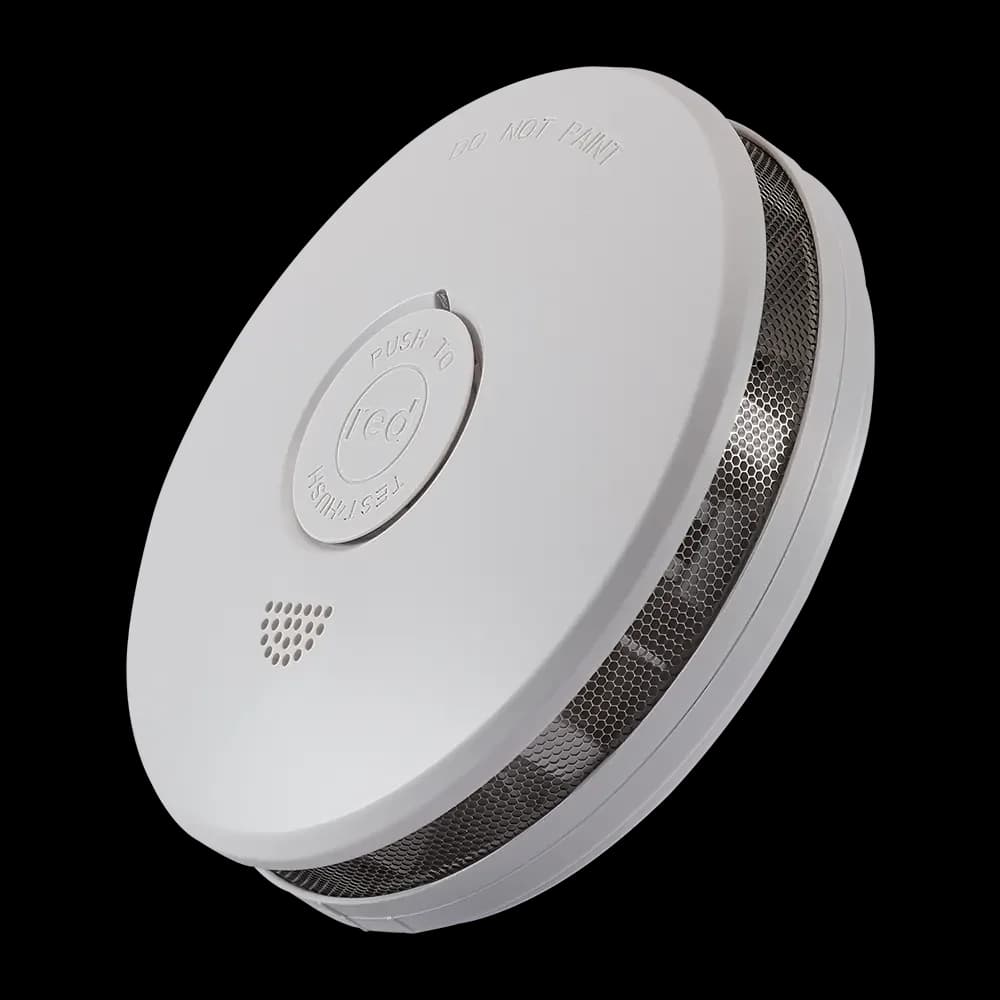
- Either hardwired, or powered by a non-removable 10-year battery.
Where they go
- On each storey.
- In each bedroom.
- In hallways that connect bedrooms to the rest of the home. If there's no hallway, between the bedroom and the rest of the storey.
- On a storey with no bedrooms, at least one on the most likely path out of the home.
Hardwired changeover
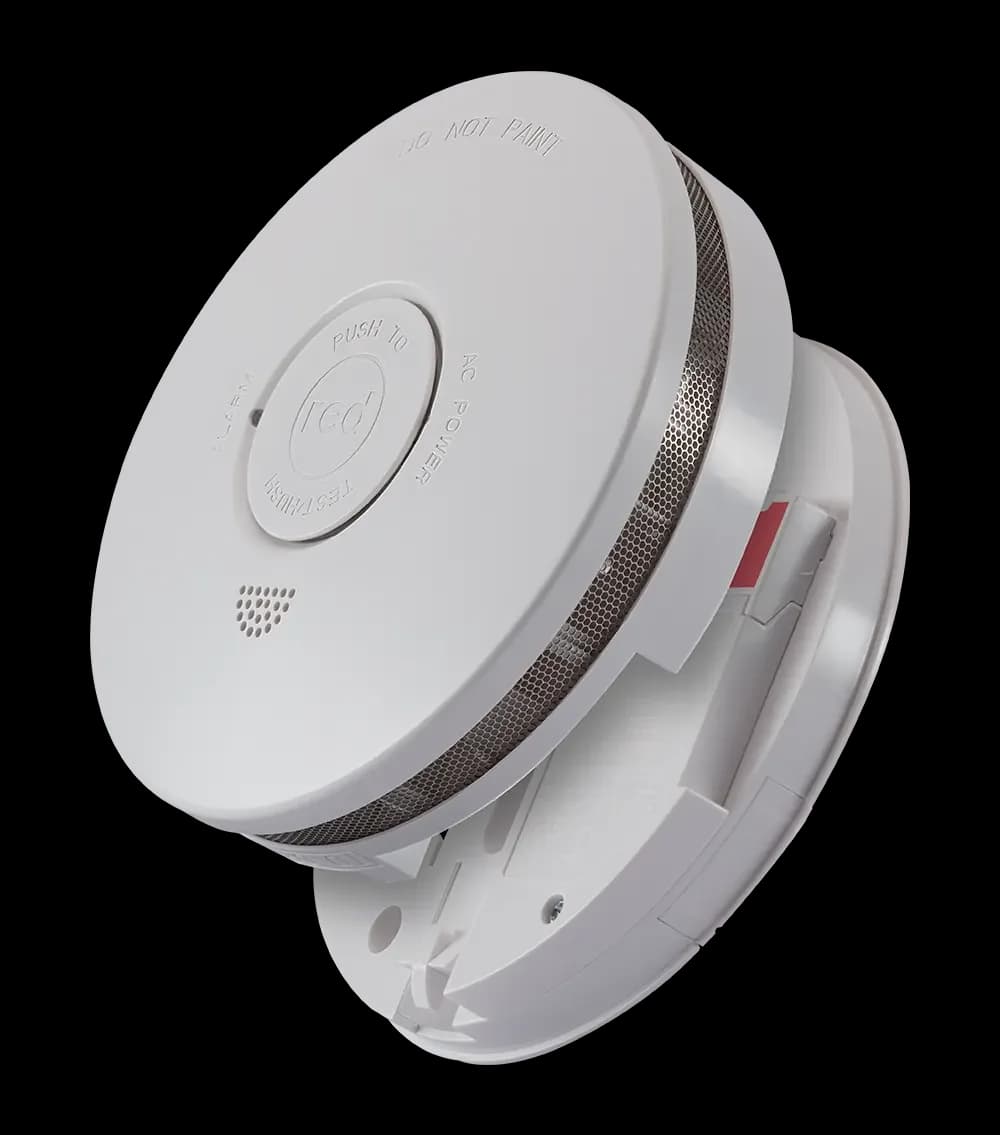
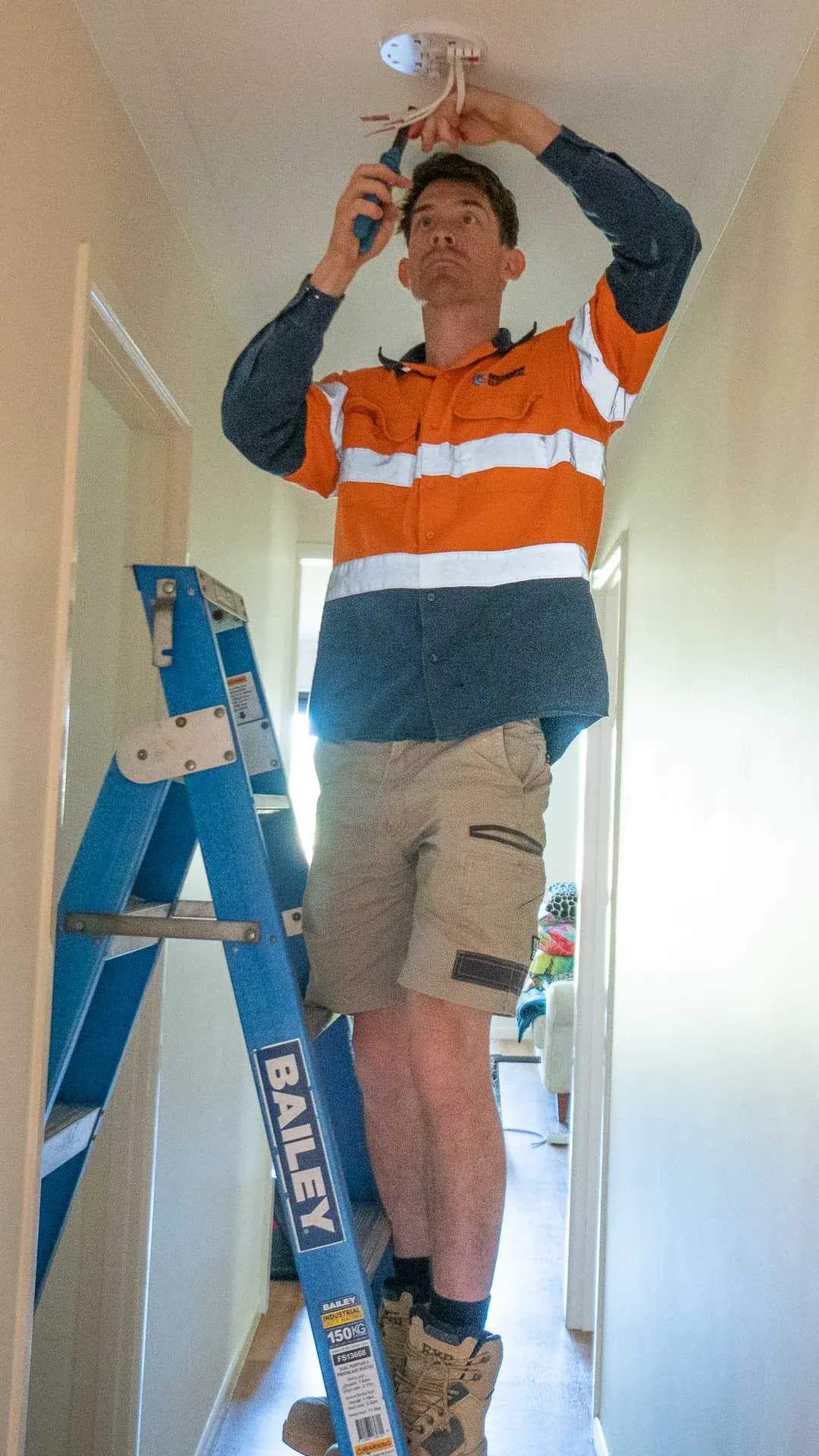
An existing 240V alarm must be replaced with a 240V photoelectric alarm. Hardwired work must be done by a licensed electrician, who issues a certificate of testing and compliance (Electrical Safety Regulation 2013, s227). Battery-powered alarms may be replaced with 10-year non-removable battery photoelectric alarms.
Why a licensed electrician
We handle the 240V changeovers and the wireless additions in one visit and certify the work. You get one interconnected system with one expiry date. We are here for the hardwired changeovers, and for a finished system in one visit.