The difference in practice
Single-phase brings one active conductor into the house. Three-phase brings three, and a charger able to use all of them can deliver substantially more power — which shows up as a shorter charge, not a different result.
The car ends up equally full either way. The question is only how many hours it takes, and whether those hours are available to you overnight.
How to tell which you have
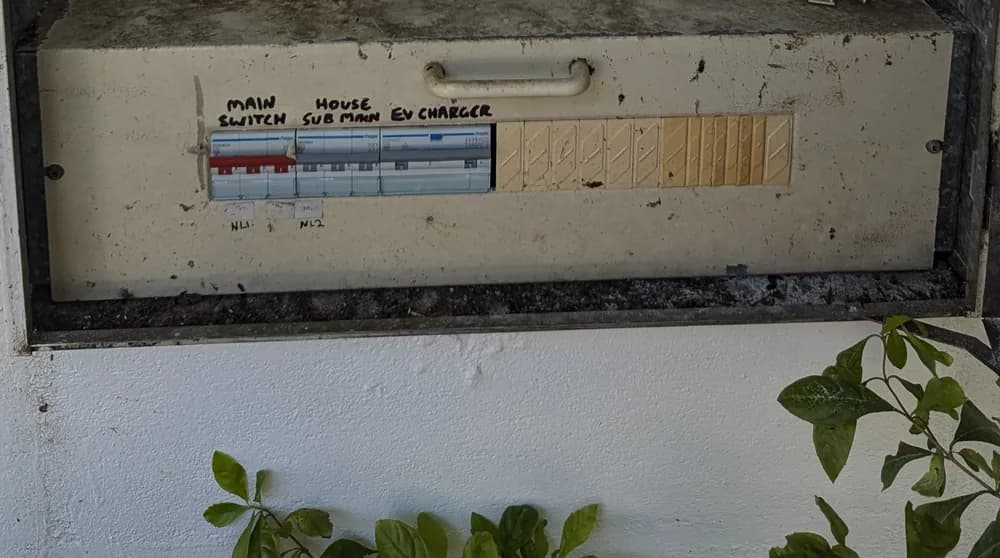
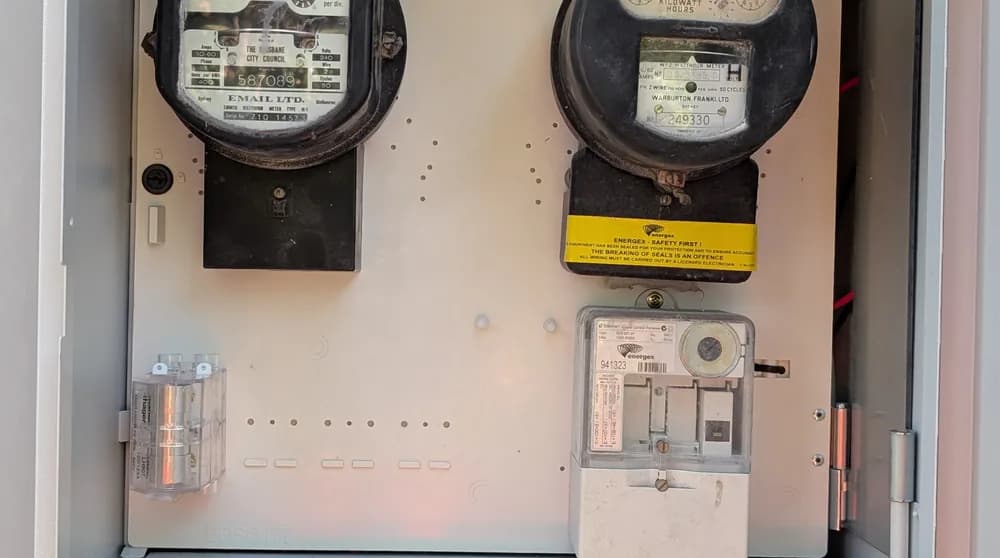
Open the meter box and look at the main switch. A single wide switch feeding everything usually indicates single-phase; three main switches side by side, or a visibly larger arrangement, suggests three-phase.
- One main switch — likely single-phase.
- Three grouped main switches — likely three-phase.
- Three thick conductors entering the meter box rather than one.
This is a look, not a diagnosis. We confirm it properly when quoting, because getting it wrong changes the whole job.
Is upgrading worth it?
For most households, no. If the car sits at home overnight and you drive normal distances, single-phase charging replaces far more than a typical day's driving in the hours the car is parked.
Three-phase starts to matter if you do high daily distances, run more than one electric vehicle, or have a short charging window. It is also worth considering if the mains need upgrading anyway for other reasons — doing both at once is cheaper than doing them separately.
What upgrading involves
Converting a single-phase home to three-phase means new consumer mains, switchboard work, and coordination with the network. It is a planned job, not something added to the end of a charger installation.
We will tell you plainly whether your driving justifies it. In most cases the honest answer is that load management on a single-phase supply solves the problem for far less.
Work out what you need
We will tell you which supply you have.
EV charger installation and mains assessment across Greater Brisbane, quoted fixed before the work starts.